Detroit beat, how the raw Michigan sound works and where to get "Crew"
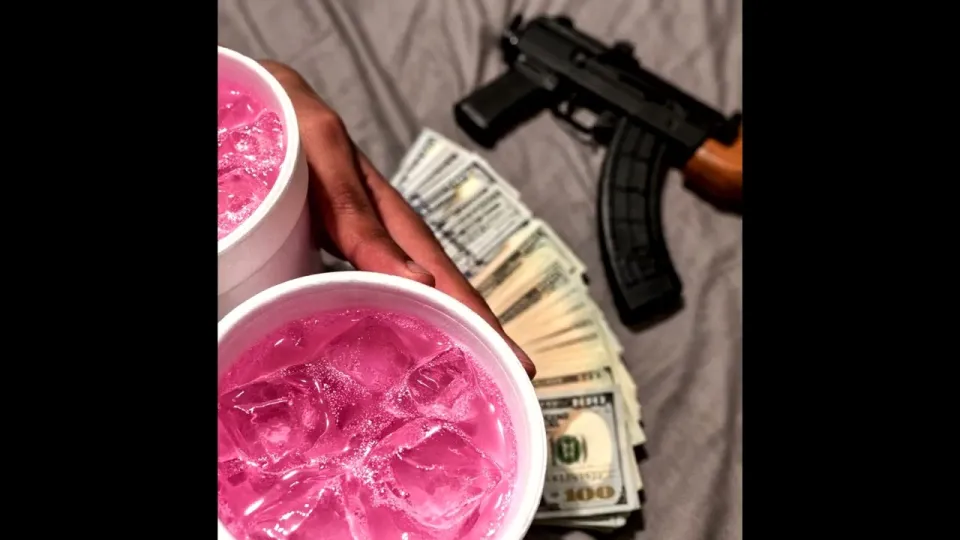
Video: [FREE] Detroit Type Beat x YN Jay Type Beat - "Crew"
You can order the same kind of articles for your own video to boost it on YouTube and Google. Just message the Telegram bot @sat_sit_bot. It writes articles around your video, embeds the video and publishes them on popular niche websites (no ads). Try it free: 50 articles on us.
· based on the channel Kooba II
A Detroit beat is a Michigan rap instrumental built on sparse, hard-hitting drums, a dark minor-key loop and short vocal chops — usually in the 95–105 BPM range, with punchy kicks, tight snares and fast hi-hat rolls. In practice, a Detroit type beat is the template producers use for artists like YN Jay, Rio Da Yung OG, Babyface Ray, Veeze and Baby Smoove. Kooba II's "Crew" is one of those templates, and it is available to download free for non-profit use via the untagged purchase page on BeatStars, with a buy 2 get 1 free deal attached.
What defines the Detroit beat sound
The Detroit beat is defined less by a single sample and more by a production attitude: space, bounce and a loop that stays out of the rapper's way. Producers in the city tend to keep the arrangement minimal — a two- or four-bar melodic loop, a sub-heavy 808 or kick pattern, a snare that lands slightly off the grid, and hi-hats that switch between triplets and straight rolls.
Key markers you will hear in almost any detroit type beat:
- Tempo around 95–105 BPM, slow enough for conversational flows but fast enough for double-time hat patterns.
- Minor-key melodies — pianos, bells, flutes, detuned synths or a pitched vocal chop.
- Drums that hit hard and dry, often with little reverb on the kick and snare.
- Short sections: hooks repeat quickly, verses leave gaps for ad-libs.
- A mix that pushes the low end and keeps the melodic loop narrow in stereo.
That formula is why the tags "detroit sample type beat" and "detroit type beat hard" travel together: the sample carries the mood, but the drums carry the aggression.
Detroit vs Flint: why the tags overlap
Flint and Detroit beats share a family tree, which is why a single instrumental is often tagged as both a detroit type beat and a flint type beat. Flint rap — associated with Rio Da Yung OG, RMC Mike and the wider Michigan scene — leans on the same tempo band and similarly raw drums, but often pushes darker, more distorted loops and a heavier, slower-feeling bounce.
In practice, the difference is texture rather than structure. A Detroit beat might use a clean piano or a soul chop; a Flint beat might use a blown-out synth or a haunted vocal sample. Both leave the same empty space for punchlines, ad-libs and fast, conversational flows. Kooba II's "Crew" sits in that overlap, which is why the upload pairs "Detroit Type Beat" with "YN Jay Type Beat" in the title.
How to use "Crew" legally: free vs lease vs exclusive
The license terms matter more than the beat itself, because a Detroit type beat free for profit is a different product from a free for non-profit download. The description of "Crew" sets three clear tiers.
- Free for non-profit use: YouTube and SoundCloud uploads without monetization are allowed. Streaming services are not covered.
- Paid lease: required for Spotify, Deezer, Tidal, iTunes and any other monetized platform.
- Exclusive license: required if you want to register the song with Content ID.
Credit is mandatory in every case: Prod. Kooba. If you skip the credit, monetize a free download, or register a lease-based track with Content ID, the standard outcome is a copyright strike. For a free yn jay type beat, that is a fair trade — the producer keeps the beat free for practice and non-profit releases, and gets paid when a song starts generating revenue.
Reading the comment section: what rappers actually ask
Comment sections under free Detroit type beats are a useful map of the questions new artists have, and "Crew" is no exception. The comments mix purchase links, short written verses in Portuguese, Spanish, Serbian, Turkish, Italian and French, and a few recurring doubts.
Three themes come up again and again:
- "Can I just rap on it and upload?" Yes — on YouTube or SoundCloud without monetization, with the credit Prod. Kooba.
- "Can I put it on Spotify?" Not with the free download. That requires a lease, and a lease is also what you need before any distribution service will accept the release.
- "Why does it sound like another beat?" Type beats deliberately sit close to a scene's signature sound; the melodic loop and drum pattern are the genre, not a copy of one song.
A fourth, quieter theme is the compliment: listeners repeatedly single out the intro loop as the strongest part, which is exactly how a Detroit beat is supposed to work — the first four bars should be enough to make a rapper start writing.
Making the most of a Detroit type beat session
A Detroit beat rewards restraint, so the writing approach is different from working over a dense trap instrumental. The beat leaves room, and the flow has to fill it.
- Loop the first eight bars and write the hook first — Michigan hooks are short, repetitive and ad-lib driven.
- Keep verses conversational; punchlines land better when the delivery stays close to speech.
- Use the gaps: leave half a bar open before the snare so an ad-lib can sit there.
- Record a rough take over the tagged free version before buying the untagged file, so you only pay for beats that fit your voice.
- If the song performs, upgrade to a lease before you distribute it anywhere.
That workflow also explains the buy 2 get 1 free offer on the BeatStars page: producers expect you to test several instrumentals in the same lane — detroit sample type beat, yn jay type beat, rio da yung og type beat — and pick the ones that match your tone.
Useful links
- Untagged purchase of "Crew" (buy 2 get 1 free): https://bsta.rs/CPKdUd
- Kooba II on Instagram: https://www.instagram.com/prodkooba
- Kooba II beat store: https://www.beatstars.com/prodkooba
The bottom line on the Detroit beat
The Detroit beat is a small, durable formula: a dark loop, hard dry drums, a tempo near 100 BPM and enough space for a rapper to talk his way through the beat. Kooba II's "Crew" follows that formula and adds a free non-profit license, which makes it a low-risk entry point for anyone testing the Michigan sound. If you only need a YouTube or SoundCloud upload, download it, credit Prod. Kooba and write; if you plan to monetize, buy the lease first. This breakdown was put together by the Kooba II channel, which publishes Detroit and Flint type beats under the same terms — grab the untagged version of "Crew" at https://bsta.rs/CPKdUd and start recording.
Key takeaways
- Detroit beat is a Michigan rap instrumental style built on sparse, punchy drums, dark minor loops and short vocal chops.
- "Crew" by Kooba II is a free Detroit type beat x YN Jay type beat, free for non-profit use only (YouTube, SoundCloud without monetization).
- Commercial release on Spotify, Deezer, Tidal or iTunes requires a paid lease; Content ID needs an exclusive license.
- Credit is mandatory: Prod. Kooba. Untagged purchase link: https://bsta.rs/CPKdUd, with a buy 2 get 1 free deal.
- Detroit and Flint share the same tempo and drum DNA, which is why the tags often overlap.
Source: [FREE] Detroit Type Beat x YN Jay Type Beat - "Crew" · Markdown version
Questions & answers
Is the "Crew" Detroit beat really free?
Yes, but only for non-profit use: YouTube and SoundCloud uploads without monetization are covered. Streaming platforms such as Spotify, Deezer, Tidal and iTunes require a paid lease, and Content ID registration requires an exclusive license.
Do I have to credit the producer?
Yes. The license requires the credit "Prod. Kooba" wherever the song is published. Skipping the credit or monetizing a free download can result in a copyright strike.
What tempo and style should I expect from a Detroit type beat?
Most Detroit beats sit around 95–105 BPM with sparse, hard drums, a dark minor-key loop and short vocal chops. The style overlaps heavily with Flint rap, which is why the same instrumental is often tagged as both.
Can I release a song over this beat on Spotify?
Only after purchasing a lease through the producer's BeatStars store. The free download does not cover distribution to streaming services, and distributors will not accept a release built on an unlicensed instrumental.